Cart Summary
Close
Optics & Electronics >>Scopes >>Rifle Scopes
Recently Viewed
- No recent items
Sportsman's E-mail
- Get updates on our best online deals and new products
Rifle Scope Buyer's Guide
Sight enhancing optics are used by most hunters and enthusiasts. The greatest advantage of mounting optics on your rifle is that they will be easier to learn to shoot with. Not only do targets appear larger when viewed through a hunting rifle scope, but all you need to do when shooting through a scope is line up your crosshairs on your target and pull the trigger. Compare this to attempting to line up traditional iron sights, making sure to align the rear sight with the front, let alone while your target is 200 yards away and moving.
Parts of a Scope
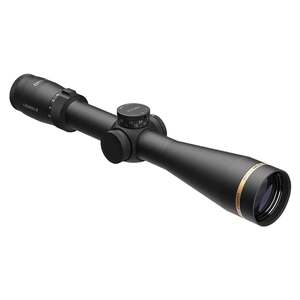
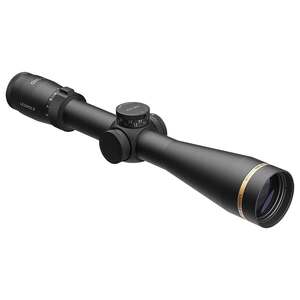
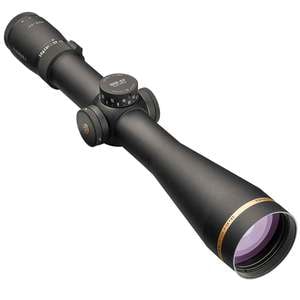
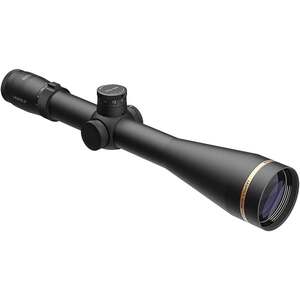
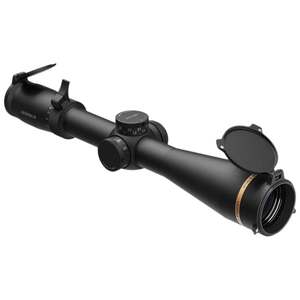
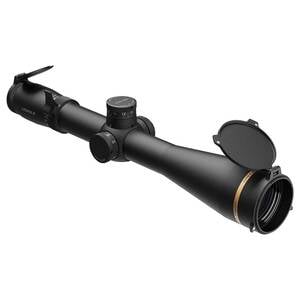
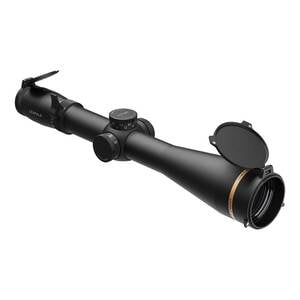
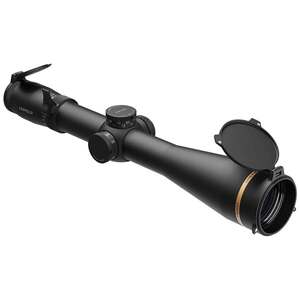
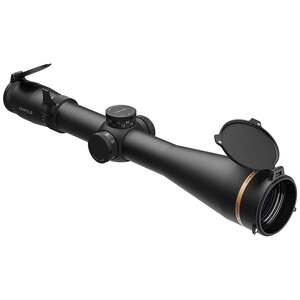
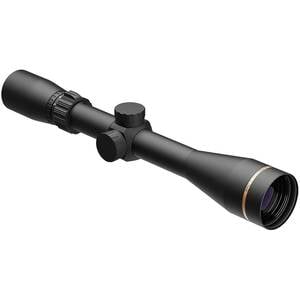
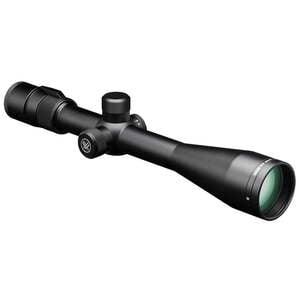
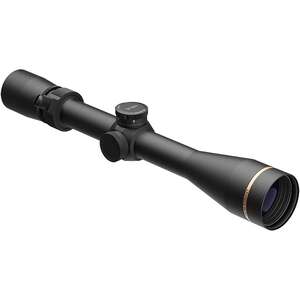
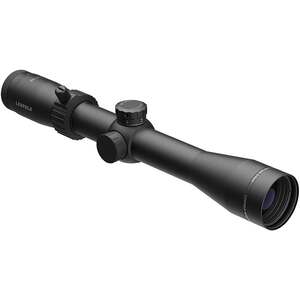
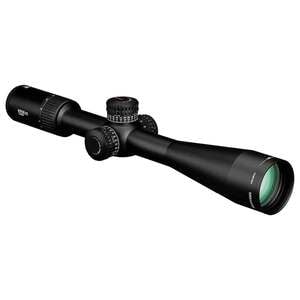
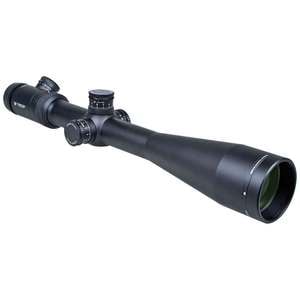
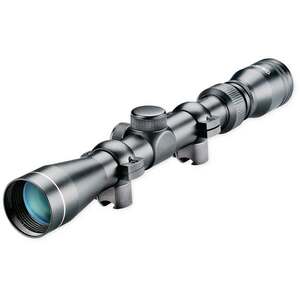
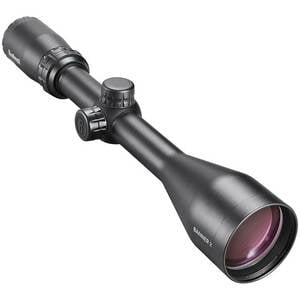
When deciding which of the hunting rifle scopes is for you, there are several things to keep in mind. Optics are made up of several different parts. The main body is called the tube, and there are two main sizes of tube diameter, which are 1" and 30 mm. A larger tube will typically allow more light to go through, which is helpful when shooting in low light conditions. On one end of the tube will be a bell. At the end of that bell sits the objective lens. If you're looking for a compact rifle scope, size will be something to keep in mind.
The objective lens is the larger of the two lenses. The size of this lens plays a large part in determining how much light is allowed and transferred through the tube to the ocular lens. The theory is that the larger the objective lens, the greater the amount of light to reach the ocular lens. The objective lens is measured in millimeters and housed inside the objective bell.
The ocular lens is the smaller lens closest to the shooter's eye. This lens is housed inside the eye piece. The areas of glass touching the surface typically have some form of waterproofing and fog proofing. This is important because if moisture is allowed on the inside, the objective and ocular lenses will fog up. When internal fogging occurs, occasionally the parts can be dried, but the general reliability will have been compromised, and you can expect that it will fog again in moist conditions.
The elevation and windage adjustments are located toward the center of the tube. The elevation adjustment sits on top of the tube, while the windage adjustment sits on the side. Most scopes built in recent years are adjustable by hand, but occasionally you may find that a coin is needed to make these adjustments.
What do the numbers mean?
When choosing a magnification, or range of magnification, you will want to keep in mind the type of shooting you will be doing. If most of your shots will be taken within 100 yards, a long range rifle scope may not be your best option. You may consider an eye piece with the dimensions 3-12X42. The first number (or numbers in this case) refers to the power of magnification. The '3' means that an object will appear three times larger than with the naked eye. The '12' means it will appear twelve times larger. The '42' is the measurement of the objective lens in millimeters. Since the numbers 3-12X appear in this scope, it means it will be able to zoom anywhere from the power of 3 to the power of 12 with the turn of a ring. Long range rifle scopes, such as a 12-42X56, are often used for precision shooting hundreds of yards away.
The FOV measurement, or Field of View, is a good indicator of how much of the landscape you'll be able to see while zoomed in on a target at range. This is measured in feet at a distance of 100 yards. For example, using our 3-12X42, the FOV may read 33.6-8.4 at 100 yards. This means that when looking through the scope at a power of 3, the image seen 100 yards away will measure 33.6 feet in width. When your eye piece is set to a power of 12, the image seen 100 yards away will be 8.4 feet in width.
Eye Relief is the distance your eye should be held away from your optics in order to see most clearly through it. Unlike most movies or television shows would have you believe, your eye does not need to be pressed against the ocular lens to work properly. Most optics have an eye relief of somewhere between 3"-4", and the largest amount of eye relief available in our store is 4.5" at most, and on the market now is hovering somewhere around 5". Most won't come near that mark, and 3"-4" of eye relief is entirely adequate in preventing shooter's brow.
Once you have decided on a scope, many brands offer different kinds of reticles, or crosshairs. BDC (Bullet Drop Compensator) reticles have standard crosshairs with small circles on the vertical line below the center representing the amount of drop experienced over a certain distance. Mil Dot reticles have dots spaced equally from the center of the crosshair, and can be used to estimate distances more accurately, and also compensate for bullet drop. For most of us, any reticle will do, and it is all up to preference of what looks best to your eye.
So Which One is for Me?
In all cases, the decision will come down to the individual preference of each shooter. The amount you want to spend will largely determine what you look at. I have heard of some people going to a rifle scope sale and purchasing the least expensive scope they could find, and others who settle for nothing less than the best. Start looking at all of our rifle scopes for sale at Sportsman's Warehouse! We carry scopes from several brands including Swarovski, Nikon, Burris, Vortex, Leupold,Zeiss, and many more.
Sale: $149.99 - $209.95
Reg: $149.99 - $209.95
Sale: $169.99
Reg: $199.95
Reg: $199.95
TEMPORARILY SOLD OUT